Xterra Cold Air Intake & Exhaust Upgrades
Best cold air intakes and cat-back exhausts for Xterra VG33E and VQ40DE: real HP gains, brand comparisons (K&N, Gibson, NISMO, S&B), and CARB legality.

Nissan Xterra Cold Air Intake & Exhaust Upgrades
The Nissan Xterra is a legend in the off-road and overlanding communities, known for its rugged, body-on-frame construction and go-anywhere attitude. Whether you're running a first-gen with the trusty VG33E or a second-gen powered by the potent VQ40DE, you've got a capable machine. But from the factory, these trucks are tuned for quiet commutes and strict emissions, leaving a surprising amount of performance, sound, and throttle response on the table.
If you've ever felt your Xterra was a bit breathless on a steep incline or wished you could hear more of that V6 growl, you're in the right place. Unlocking your truck's true potential doesn't require a full engine rebuild. Simple, bolt-on upgrades to the intake and exhaust systems can transform your daily driver or weekend warrior. These modifications are some of the most effective and satisfying you can make, improving how your engine breathes and, ultimately, how your Xterra feels from behind the wheel.
This comprehensive guide will walk you through the best cold air intake and exhaust options for your Nissan Xterra. We'll break down the different styles, cover the real-world performance gains you can expect, and provide the hands-on knowledge you need to choose the perfect setup for your rig and your budget.
Understanding Your Xterra's Stock Breathing System
Before we start upgrading, it’s crucial to understand what we're working with. Nissan designed the stock intake and exhaust systems to be effective at two things: keeping the engine quiet and meeting emissions standards. This focus on silence and compliance means they are inherently restrictive, acting like a muzzle on your engine's performance potential.
First-Generation Xterra (2000-2004, VG33E/ER)
The first-gen Xterra draws its air from a constrained location inside the passenger-side fenderwell. This path is long and full of sound-dampening baffles, slowing down airflow. The exhaust consists of two banks that merge, each with its own catalytic converter, before feeding into a large, restrictive muffler designed to minimize noise above all else. The supercharged VG33ER model has a similar layout but is even more desperate for better airflow.
Second-Generation Xterra (2005-2015, VQ40DE)
The more modern VQ40DE engine in the second-gen Xterra also breathes through an intake tract fed from under the passenger headlight. While slightly more efficient than its predecessor, it still uses a paper filter in a restrictive airbox and a single throttle body. The exhaust layout is a true dual-bank system with pre-cat oxygen sensors on each side, but it's choked by dense catalytic converters and a quiet-tuned muffler.
Top Cold Air Intakes for the Nissan Xterra
A cold air intake (CAI) is the single best "first mod" for any Xterra. By replacing the restrictive factory airbox and tubing with a high-flow filter and smooth, mandrel-bent piping, a CAI allows your engine to inhale a larger volume of cooler, denser air. Cooler air contains more oxygen, which leads to a more powerful combustion cycle, resulting in improved horsepower, torque, and throttle response.
Closed-Box Cold Air Intakes: The All-Weather Warriors
For the Xterra owner who frequently sees mud, dust, and water crossings, a closed-box system is the superior choice. These kits enclose the air filter in a sealed or semi-sealed housing, protecting it from engine bay heat and shielding it from debris and water splashes on the trail.
- Volant 12740 (for 05-07 VQ40DE): Volant is a trusted name in sealed intake systems. This kit uses a durable polyethylene airbox that keeps the filter clean and pulls cooler air from the stock fenderwell location. It's a fantastic, rugged option for a dedicated off-road rig.
- S&B 75-5191 (for 05-15 VQ40DE): S&B Filters is obsessed with airflow. This kit claims a massive 43-45% increase in flow over stock with nearly 99% filtration efficiency. You can choose between a classic oiled filter or a convenient dry filter. Important Note: Due to its high-flow design, this system is generally not street legal in California or other CARB states.
- Injen PF1959P (for 05-15 VQ40DE): This system offers a great middle ground. It features a high-flow SuperNano-Web dry filter housed within a rotomolded airbox, giving you the protection of a closed-box design with the performance benefits of Injen's engineering.
Open-Element Intakes: Maximum Airflow and Sound
If you're chasing maximum horsepower and an aggressive intake roar, an open-element intake is for you. These systems replace the factory airbox entirely with a large, conical filter exposed to the engine bay, often shielded by a heat plate. This design minimizes restriction for the greatest possible airflow.
- K&N 57-6014 FIPK (for 05-15 VQ40DE): K&N is the original high-performance filter company, and their Fuel Injection Performance Kit (FIPK) is a classic for a reason. It features a roto-molded HDPE tube for smooth airflow, their famous oiled cotton gauze filter, and a "Million-Mile" warranty. Best of all, this kit is often 50-state CARB legal, making it a safe choice for everyone.
- K&N 57-6005 (for 00-04 VG33E): First-gen owners aren't left out. This kit provides the same performance benefits and lifetime warranty for the venerable 3.3L V6.
- AEM 21-8504DC (for 05-15 VQ40DE): For those who prefer the convenience of a dry filter, AEM is a top contender. Their Dryflow filters offer excellent filtration without the need for oiling, and the large conical design provides a huge surface area for massive airflow.
- Injen PF1957P/WB (for 05-15 VQ40DE): This is a classic short-ram, open-element intake from Injen. It uses a mandrel-bent aluminum tube and their SuperNano-Web dry filter. For trail use, you can add their optional "hydroshield" pre-filter, which repels water and mud, adding a layer of protection.
| Intake Model | Type | Filter Type | Key Feature | CARB Status |
|---|---|---|---|---|
| K&N 57-6014 FIPK | Open-Element | Oiled | 50-State Legal, Lifetime Warranty | Yes (Check EO #) |
| AEM 21-8504DC | Open-Element | Dry | No-Oil Dryflow Technology | Varies, Check Listing |
| Volant 12740 | Closed-Box | Oiled | Maximum Filter Protection | Varies, Check Listing |
| S&B 75-5191 | Closed-Box | Oiled or Dry | Highest Claimed Airflow | No |
| Injen PF1957P | Open-Element | Dry | Optional Hydroshield | No |
Best Xterra Exhaust Upgrades: From Mild to Wild
Once your Xterra can breathe in properly, the next step is to help it exhale. A performance cat-back exhaust system replaces everything from the catalytic converters back to the tailpipe. By using larger diameter, mandrel-bent tubing and a high-flow muffler, these systems drastically reduce backpressure. The result is more horsepower, more torque, a deeper exhaust note, and even potentially a small improvement in fuel economy.
Quiet & Mild: Enhanced Flow, Subtle Tone
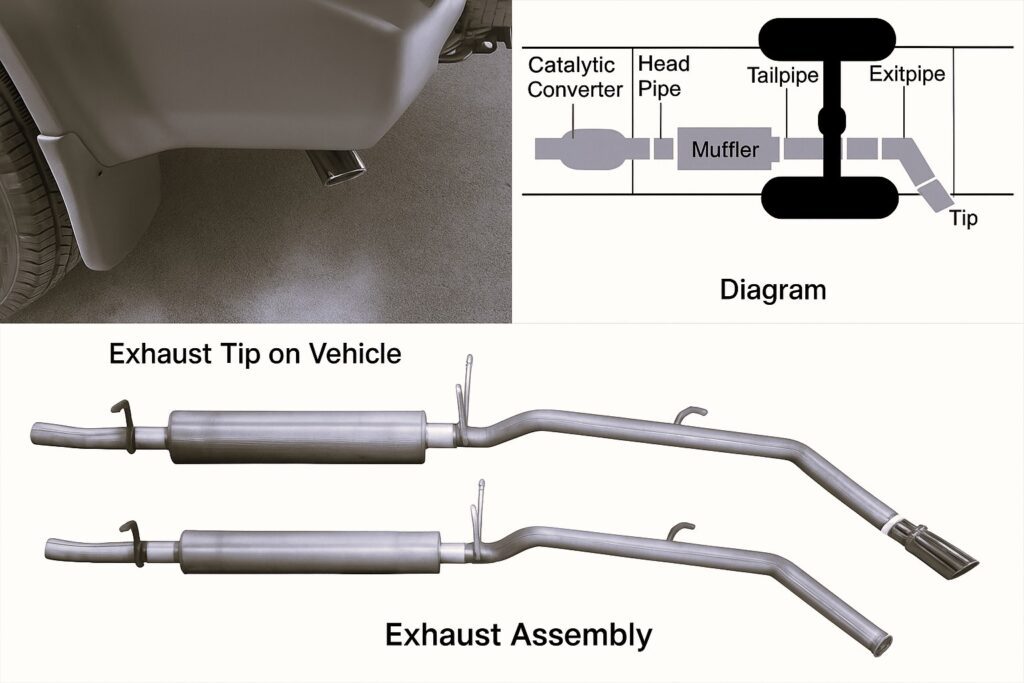
You don't have to announce your arrival from three blocks away to get performance benefits. A mild system offers a mature, deep tone that's only slightly louder than stock under normal driving but opens up nicely when you get on the throttle.
- Gibson 12214 (for 00-04 VG33E): This aluminized steel, single-side exit exhaust is a fantastic budget-friendly upgrade. Gibson markets it as being "quieter in the cab than any other performance exhaust," making it perfect for daily drivers and long road trips while still delivering a claimed 10-15 horsepower gain.
Moderate & Sporty: The Perfect Balance
This is the sweet spot for most Xterra owners. A moderate system provides a noticeable, sporty V6 sound without being obnoxious or creating excessive drone on the highway.
- NISMO Off-Road Cat-Back (B0100-XTRCP for 05-15 VQ40DE): When you want OEM-level fit and finish, look no further than Nissan's own performance division. This full T304 stainless steel system features 2.75" piping and a polished 4.25" tip. It delivers a "sporty, deep" tone engineered to minimize drone. As a bonus, it's often CARB-approved (check the specific part number's EO), a rare feat for exhausts.
Aggressive & Loud: Unleash the V6 Roar
For those who want maximum performance and a head-turning sound, an aggressive exhaust is the only way to go. These systems use straight-through or chambered mufflers with minimal baffling to maximize exhaust flow and volume.
- Gibson Stainless Steel Series (612214 & 612215): Available for both first and second-gen Xterras, Gibson's stainless cat-backs use their signature "Superflow" baffled muffler. This design requires no packing, so the sound never changes over time. It produces an aggressive, powerful exhaust note with proven dyno gains of 10-15 horsepower and surprisingly minimal cabin drone for its volume.
| Exhaust Model | Style | Material | Tubing Diameter | Sound Profile |
|---|---|---|---|---|
| Gibson 12214 | Mild | Aluminized Steel | 2.25" | Quiet in Cab |
| NISMO Off-Road | Moderate | T304 Stainless | 2.75" | Sporty & Deep |
| Gibson 612214/15 | Aggressive | T304 Stainless | 2.25" - 2.5" | Powerful & Loud |
Real-World Gains: What to Expect from Your Xterra Intake & Exhaust Mods
It's important to have realistic expectations. While manufacturers often advertise peak horsepower numbers achieved under ideal lab conditions, the real-world benefits are about more than just one number. These mods improve the entire driving experience.
Horsepower and Torque Gains
Individually, a quality cold air intake or cat-back exhaust can add between 5 to 15 horsepower. The gains are most noticeable in the mid-to-upper RPM range, where the engine is moving the most air.
- Intake: K&N's own dyno testing on the 4.0L VQ40DE engine showed a gain of +14.25 horsepower at 5,075 RPM with their 57-6014 kit.
- Exhaust: Gibson consistently reports gains of +10 to 15 horsepower across the 1,800-3,000 RPM range with their cat-back systems.
When you combine a cold air intake with a cat-back exhaust, the synergistic effect typically results in a total gain of 15 to 25 horsepower.
Do You Need an ECU Tune?
This is one of the most common questions, and the answer is refreshingly simple.
For a bolt-on cold air intake and cat-back exhaust, you do not need an ECU tune. High-quality intake kits are specifically designed with sensor placement that "keeps the Nissan computer happy." The stock ECU is smart enough to adapt to the increased airflow by adjusting fuel trims, so you won't get a Check Engine Light.
A custom tune only becomes necessary when you make more drastic changes, such as installing high-flow catalytic converters, performance headers, or internal engine modifications like camshafts.
Throttle Response and Drivability
Beyond the dyno numbers, the most immediate improvement you'll feel is in throttle response. With less restriction, the engine reacts more quickly to your inputs. The truck will feel more eager and athletic, with a smoother and more powerful pull through the mid-range. Many owners report that these mods eliminate any feeling of sluggishness, making the Xterra much more enjoyable to drive both on and off the pavement.
Pro Tips & Tricks for Your Xterra Mod Journey
After years of wrenching on these trucks, I've learned a few things that can save you a lot of headaches. Keep these tips in mind as you install and maintain your new performance parts.
- 1. Break Stubborn Bolts Like a Pro.
Your Xterra's exhaust has seen years of heat cycles, water, and road salt. Those nuts and bolts will be stubborn. Before you start, spray them liberally with a good penetrating oil like PB Blaster and let it soak. If they still won't budge, a little bit of heat from a propane torch can work wonders. When you reassemble, apply a light coat of anti-seize compound to all threads—especially the O2 sensors—to make future work a breeze. - 2. Protect Your Mass Airflow (MAF) Sensor.
If you choose an oiled air filter, be careful during maintenance. Over-oiling the filter is a common mistake and can cause a fine mist of oil to coat the delicate MAF sensor, leading to poor performance and error codes. Use a dedicated MAF sensor cleaner spray every time you service your filter to keep it reading accurately. - 3. Always Check for a CARB EO Number.
If you live in California or any state that has adopted its emissions standards, this is non-negotiable. An aftermarket part must have a CARB Executive Order (EO) number to be street legal. Reputable manufacturers will clearly state if a part is 50-state legal and provide the EO number. Always verify before you buy to avoid failing your next smog check. - 4. Align Your Exhaust Properly Before Tightening.
When installing your new cat-back, loosely hang the entire system first. Adjust the pipes and muffler so that all the rubber hangers are sitting in a neutral, stress-free position. This prevents vibrations and ensures the welds aren't under constant tension, which can lead to premature failure. Once everything is perfectly aligned, tighten all the clamps and bolts to the manufacturer's torque specs.
FAQ - Air Intake, Exhaust
- What are the benefits of upgrading my Nissan Xterra’s cold air intake and exhaust system?
Improved horsepower, better fuel efficiency, increased throttle response, and a deeper exhaust note. - Which brands are best for Nissan Xterra cold air intakes?
Popular brands include K&N, AEM, and Volant. - Is an aftermarket exhaust system legal on public roads?
Most cat-back exhausts are legal if they comply with local noise and emissions laws. - How difficult is it to install a cold air intake on the Xterra?
Installation is generally straightforward with basic hand tools, taking 1-2 hours for most DIYers. - Will these upgrades void my warranty?
Aftermarket upgrades may affect your vehicle’s warranty; check with your dealer before installing. - Do I need tuning after installing a new intake/exhaust?
Most basic upgrades do not require tuning, but tuning can optimize performance gains. - What is the expected cost for these upgrades?
Cold air intake systems range from $150–$400, while cat-back exhaust systems range from $300–$600. - Can I install both upgrades at the same time?
Yes, installing both together can maximize performance improvements. - Will my Xterra sound louder after these modifications?
Yes, especially with aftermarket exhausts, which produce a deeper and more aggressive tone. - Are there MPG gains from intake & exhaust upgrades?
Some users report slight fuel efficiency improvements, especially during highway driving.
Conclusion
Upgrading the cold air intake and exhaust on your Nissan Xterra is one of the most rewarding modifications you can make. It's a straightforward, bolt-on project that delivers tangible improvements in power, sound, and overall driving enjoyment. You're not just adding parts; you're fundamentally changing how your truck breathes, allowing it to perform the way it was always meant to.
By now, you should have a clear picture of the path forward. First, assess your needs: Are you a dedicated off-roader who needs the protection of a closed-box intake, or a street driver chasing maximum power with an open-element design? Do you prefer the subtle, deep tone of a mild exhaust or the aggressive roar of a performance system? Finally, consider your budget and local emissions laws to narrow down your choices.
Whichever combination you choose, you'll be rewarded with an Xterra that feels stronger, sounds better, and is even more fun to drive. So grab your tools, get your hands dirty, and let that V6 sing.